
Understanding VAT for Freelancers in Germany: When Do You Need to Charge It?
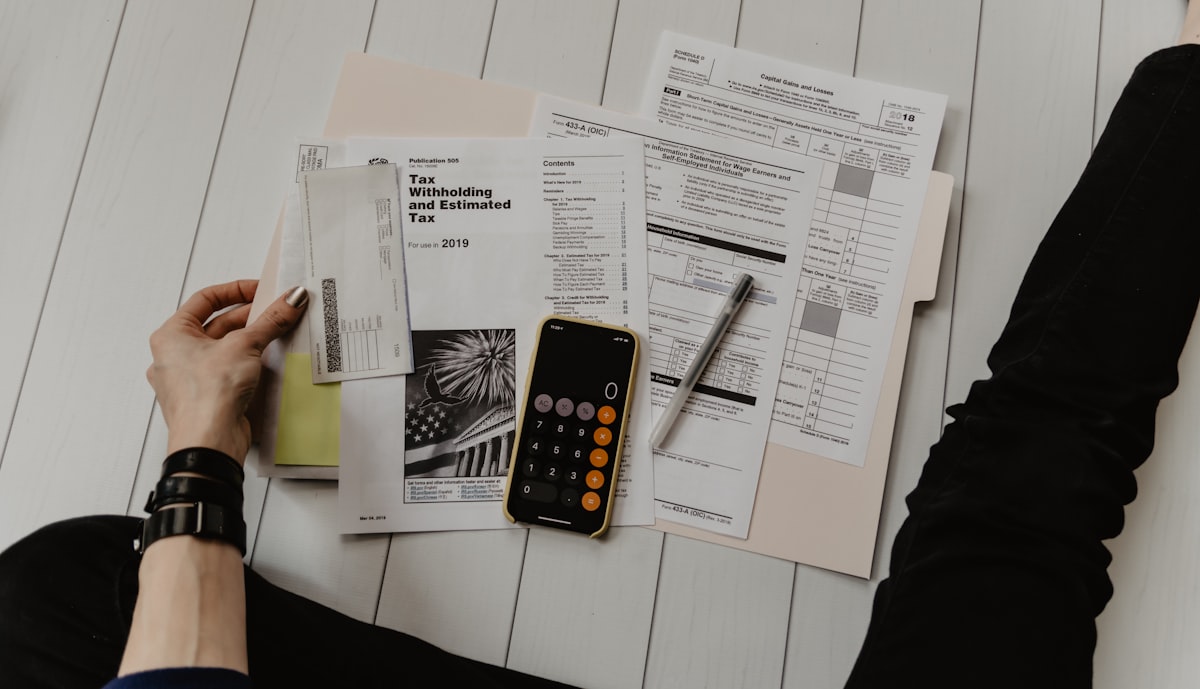
Understanding VAT (Umsatzsteuer) is crucial for freelancers in Germany. This guide explains when you need to charge VAT, how the Kleinunternehmerregelung works, and how to handle VAT correctly on your invoices.
What is VAT (Umsatzsteuer)?
VAT is a consumption tax that businesses charge on their goods and services. In Germany, the standard VAT rate is 19%, with a reduced rate of 7% for certain goods and services (like books, food, and public transport).
As a freelancer, you may need to:
- Charge VAT on your invoices
- Pay VAT to the tax office
- File regular VAT returns (Umsatzsteuer-Voranmeldung)
The Kleinunternehmerregelung (Small Business Regulation)
The Kleinunternehmerregelung is a special regulation that allows small businesses to avoid VAT obligations.
Eligibility Requirements
You can use the Kleinunternehmerregelung if:
- Your total revenue in the previous year was less than 22,000 EUR
- Your expected revenue in the current year will be less than 50,000 EUR
If you exceed these limits, you must register for VAT and start charging it.
Benefits of Kleinunternehmerregelung
Advantages:
- No need to charge VAT on your invoices
- No VAT returns to file
- Simpler invoicing (no VAT calculations)
- Lower prices for your clients (no VAT added)
Disadvantages:
- Cannot deduct input VAT (Vorsteuer) on your purchases
- Cannot reclaim VAT on business expenses
- May appear less professional to some clients
When to Choose Kleinunternehmerregelung
Choose this option if:
- You’re just starting out and expect low revenue
- Your clients are mostly private individuals (B2C)
- You want to keep invoicing simple
- You don’t have many business expenses with VAT
VAT Registration
When You Must Register
You must register for VAT if:
- Your revenue exceeds 22,000 EUR in a calendar year
- You expect to exceed 50,000 EUR in the current year
- You voluntarily choose to register (even if below limits)
- You import goods from outside the EU
How to Register
- Indicate on your tax questionnaire
- When filling out the Fragebogen zur steuerlichen Erfassung
- Mark that you want to register for VAT
- Or indicate you want to use Kleinunternehmerregelung
- The tax office will assign you a VAT ID
- You’ll receive a VAT identification number (Umsatzsteuer-ID)
- This is different from your regular tax number (Steuernummer)
- Keep this number safe - you’ll need it for all VAT-related matters
- Start charging VAT immediately
- Once registered, you must charge VAT on all invoices
- Even if you were previously using Kleinunternehmerregelung
VAT Rates in Germany
Standard Rate: 19%
Applies to most goods and services, including:
- Professional services (consulting, design, etc.)
- Software and digital products
- Most business services
Reduced Rate: 7%
Applies to specific goods and services:
- Books and printed materials
- Food and beverages (in restaurants)
- Public transportation
- Hotel accommodations
- Some cultural events
Zero Rate: 0%
Applies to:
- Exports to countries outside the EU
- Intra-EU supplies (with proper documentation)
How to Handle VAT on Invoices
If Using Kleinunternehmerregelung
Your invoices should state:
- “Kleinunternehmer gemäß §19 UStG” (Small business according to §19 VAT Act)
- No VAT amount shown
- Total price is the final price
Example invoice line:
Service: Website Design
Amount: 1,000.00 EUR
VAT: Not applicable (Kleinunternehmer gemäß §19 UStG)
Total: 1,000.00 EUR
If Registered for VAT
Your invoices must include:
- Your VAT ID (Umsatzsteuer-ID)
- VAT rate (19% or 7%)
- Net amount (before VAT)
- VAT amount
- Gross amount (total including VAT)
Example invoice line:
Service: Website Design
Net amount: 840.34 EUR
VAT (19%): 159.66 EUR
Total: 1,000.00 EUR
VAT Returns (Umsatzsteuer-Voranmeldung)
If you’re registered for VAT, you must file regular VAT returns:
Frequency
- Monthly: If your VAT liability exceeds 7,500 EUR per year
- Quarterly: If your VAT liability is less than 7,500 EUR per year
- Annually: Only in exceptional cases (very small amounts)
Deadlines
- Monthly returns: Due by the 10th of the following month
- Quarterly returns: Due by the 10th of the month after the quarter ends
- Q1: April 10
- Q2: July 10
- Q3: October 10
- Q4: January 10
What to Report
- Total sales (including VAT)
- VAT collected from customers
- Input VAT (VAT paid on business expenses)
- Net VAT to pay or reclaim
Input VAT (Vorsteuer)
Input VAT is the VAT you pay on business purchases. If you’re registered for VAT, you can deduct this from the VAT you collect.
Deductible Input VAT
You can deduct VAT on:
- Office supplies and equipment
- Software and subscriptions
- Professional services (accountants, lawyers, etc.)
- Business travel and accommodation
- Marketing and advertising
- Any business expense that includes VAT
Requirements
To deduct input VAT, you need:
- Valid invoices with VAT shown separately
- The invoice must be addressed to your business
- The expense must be business-related
- Proper documentation and receipts
International Clients
EU Clients
If you provide services to clients in other EU countries:
- Generally, VAT is charged in the client’s country
- You may need to register for VAT in that country
- Or use the reverse charge mechanism
- Consult a tax advisor for complex cases
Non-EU Clients
Services to clients outside the EU:
- Usually zero-rated (0% VAT)
- No VAT charged
- But you must still report these sales
Common Mistakes to Avoid
Not registering when required
- Monitor your revenue closely
- Register immediately if you exceed limits
- Penalties can be significant
Incorrect VAT calculations
- Always double-check your calculations
- Use accounting software to avoid errors
- 19% of 100 EUR is 19 EUR, not 19% added to 100 EUR
Missing deadlines
- Set reminders for VAT return deadlines
- Late submissions result in penalties
- Use calendar reminders or accounting software
Not keeping proper records
- Keep all invoices (yours and suppliers’)
- Organize by date and category
- Store for at least 10 years
Mixing up tax numbers
- Steuernummer: For income tax
- Umsatzsteuer-ID: For VAT matters
- Don’t confuse the two
Switching from Kleinunternehmerregelung to VAT
If you exceed the limits:
- Register immediately
- Contact your tax office
- Request VAT registration
- You’ll receive your VAT ID
- Start charging VAT
- From the date of registration
- Update all invoice templates
- Inform existing clients
- File your first VAT return
- Usually due within one month
- Report all sales since registration
- Pay any VAT due
Tips for Managing VAT
Use accounting software
- Tools like Solobooks automatically calculate VAT
- Generate VAT reports for returns
- Track input VAT on expenses
Set aside money for VAT
- If you collect VAT, you’ll need to pay it
- Set aside 19% of your VAT-inclusive revenue
- Or calculate net revenue and set aside accordingly
Keep detailed records
- All invoices (sent and received)
- VAT amounts clearly marked
- Organized by tax period
Consult a tax advisor
- VAT can be complex
- Especially for international clients
- Worth the cost for peace of mind
How Solobooks Helps
Solobooks simplifies VAT management:
- Automatic VAT calculations on invoices
- VAT reports for tax returns
- Input VAT tracking on expenses
- Export data for ELSTER submission
- Reminders for VAT deadlines
Need Help?
If you have questions about VAT:
- Email us at support@solobooks.de
- Chat with us in the app
- Visit our Help Center for more guides
Last updated: August 10, 2025
Expert Tip
Set aside the calculated VAT in a separate account monthly. This way you avoid liquidity bottlenecks when paying the tax office.
— Solobooks Team


